




Subaru vs. Toyota Reliability: Which Brand Holds Up Better Over Time?
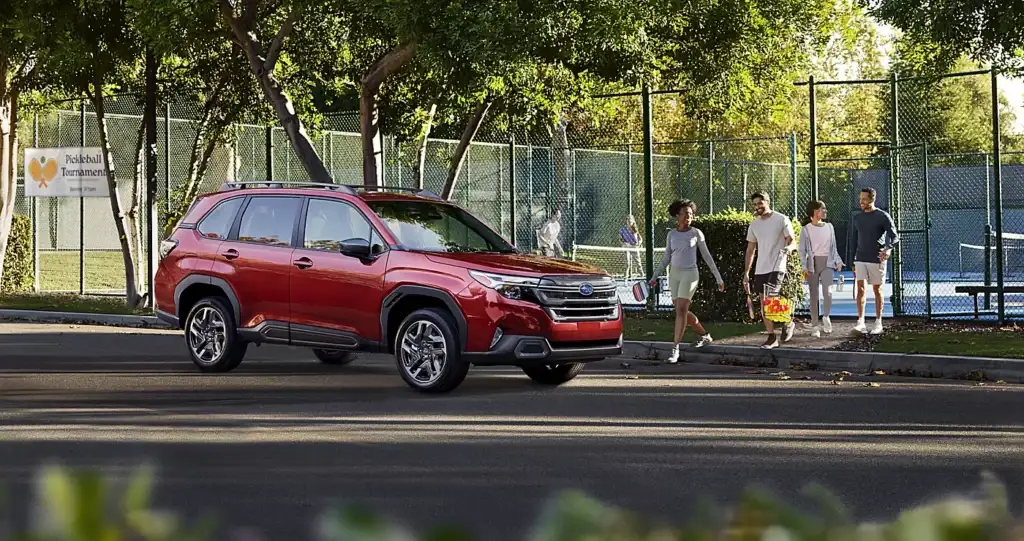
Few debates in the automotive world generate as much genuine curiosity as Subaru vs. Toyota reliability. Both brands have earned devoted followings, and both produce vehicles that regularly reach high mileage without major incidents. Choosing between them means looking past reputation and understanding what independent reliability data actually shows, since individual ownership experience still depends heavily on maintenance habits and driving conditions.
Subaru vs. Toyota Reliability: What the Data Really Shows
The 2025 reliability picture is closer than many buyers expect, and it depends on which study you’re reading. In Consumer Reports’ latest Annual Auto Reliability Survey, Toyota reclaimed the top spot for the first time since 2022, narrowly edging out Subaru, last year’s winner, with Lexus taking third. Improvements to the Camry, Tacoma, and Tundra drove Toyota’s rebound, along with a strong showing from the redesigned 4Runner.
Subaru isn’t far behind, though, and in some rankings it actually leads. Subaru topped Consumer Reports’ Overall Brand Report Card for the second year running, and the third time in five years. That particular ranking weighs owner satisfaction, safety, and road-test performance alongside reliability. Toyota has the edge in pure predicted reliability right now, but Subaru holds its own as one of the most consistently well-regarded brands overall.
How Reliability Ratings Compare Across Major Sources
No single study tells the whole story. Consumer Reports, J.D. Power, and iSeeCars each measure dependability a little differently, so it’s worth seeing how the numbers stack up against each other.
Consumer Reports Rankings: Toyota, Subaru, and Lexus Lead
Consumer Reports’ reliability survey ranked Toyota first, Subaru second, and Lexus third for 2025, based on owner-reported problem rates across recent model years. Subaru’s Forester Hybrid scored near the top of its category alongside the Honda CR-V Hybrid and Lexus NX Hybrid, and the Outback ranked among Consumer Reports’ top 20 two-row models. Both brands clearly outperform the broader market average.
J.D. Power Dependability and iSeeCars Longevity Studies
J.D. Power’s 2026 U.S. Vehicle Dependability Study, which measures problems reported by original owners of three-year-old vehicles, ranked Lexus highest overall at 151 problems per 100 vehicles. Among the full brand rankings, Subaru posted a strong 181 PP100, placing it ahead of Toyota, which came in at 185. Both brands finished better than the industry average of 204 PP100, reinforcing the dependability reputation that Subaru and Toyota owners have come to expect.
iSeeCars’ 2025 Longest-Lasting Cars study, which estimates the likelihood of vehicles reaching 250,000 miles, found Toyota holding 10 of the top 25 positions, with Toyota models averaging a 17.8% predicted chance of hitting that mark. For used vehicles between five and ten years old, Lexus ranked first for reliability, followed by Toyota. Subaru doesn’t dominate this particular high-mileage metric, but that’s a different measurement entirely, one focused specifically on extreme longevity rather than day-to-day dependability.
Most Reliable Subaru Models vs. Most Reliable Toyota Models
At the model level, the comparison gets a lot more useful than any brand-wide average. Subaru leans into standard AWD, safety technology, and all-weather versatility. Toyota emphasizes hybrid efficiency and mechanical simplicity, backed by a long track record of high-mileage durability. The right choice often comes down to how and where you drive, which is why the model-by-model breakdown below matters more than brand-level rankings alone.
Crosstrek vs. Corolla Cross: Subcompact Crossover Showdown
The Subaru Crosstrek and Toyota Corolla Cross compete directly in the subcompact crossover segment, but they take different approaches to fuel economy, drivetrain, and safety credentials.
| Spec | 2026 Subaru Crosstrek | 2026 Toyota Corolla Cross |
| Engine | 180-hp 2.5L four-cylinder (gas); 194-hp 2.5L hybrid | 169-hp 2.0L four-cylinder (gas); 196-hp 2.0L hybrid |
| Fuel Economy (Combined) | 33/26 mpg (hwy/city) | 32 mpg (FWD) / 30 mpg (AWD) |
| Hybrid Combined | 36 mpg | 42 mpg |
| AWD System | Standard symmetrical AWD | Available AWD (standard on Hybrid trim) |
| NHTSA Overall Rating | 5-Star | Not yet tested |
| Warranty Coverage | Comparable basic/powertrain coverage | Comparable coverage; Toyota adds complimentary maintenance on many models |
The Crosstrek’s standard symmetrical AWD and 5-Star NHTSA rating make it a strong pick for buyers who want year-round traction confidence without upgrading trims. The Corolla Cross counters with better fuel economy across the board, especially in hybrid form, though NHTSA hasn’t crash-tested the 2026 model yet, so there’s no star rating available currently. AWD is available on gas trims and standard on the Hybrid trim.
If you’re weighing AWD availability and safety data side by side, it’s worth comparing these two in person. You can browse Crosstrek inventory at Sport Subaru South to see current trims and options.
Forester vs. RAV4: Compact SUV Dependability Compared
The Subaru Forester and Toyota RAV4 both rank among the most popular compact SUVs, and both carry strong reliability histories. The Forester’s defining feature is Subaru’s standard symmetrical AWD paired with advanced safety systems, so every trim gets the same traction and driver-assist foundation. The RAV4 counters with a well-developed hybrid powertrain, available AWD, and some of the strongest resale value in the segment.
Warranty coverage is comparable between the two, though Toyota includes three years of complimentary maintenance on many models, which is worth factoring into total ownership cost. Neither model is a risky buy. The difference really comes down to whether standard AWD or hybrid efficiency matters more for how you drive.
Outback vs. Crown Signia: Midsize Wagon-Style Crossovers
The Subaru Outback has defined the midsize wagon-crossover category for decades, combining car-like ride quality with genuine ground clearance and standard AWD. It remains one of Subaru’s highest-volume, most praised models for durability, and it’s among Consumer Reports’ top 20 two-row models.
The Toyota Crown Signia, now in its second model year, takes a different approach. It’s a midsize five-passenger hybrid crossover powered by Toyota’s 2.5L Hybrid System with a rear-mounted electric motor, delivering standard on-demand AWD across both the XLE and Limited grades.
Both are reliable choices for Central Florida’s long highway commutes, but the Outback suits buyers who want proven, rugged versatility, while the Crown Signia appeals to those who prioritize hybrid efficiency and a more premium ride.
Maintenance Costs and Long-Term Ownership
Reliability ratings only tell part of the story. Long-term ownership cost depends just as much on maintenance discipline as it does on brand.
Subaru Maintenance Costs and Common Repairs
Subaru maintenance costs tend to run slightly higher than Toyota’s, though newer models remain dependable thanks to more consistent engine designs. Older Subaru generations were known for occasional head gasket replacements and timing belt service, issues that show up far less often in recent model years. Following the recommended service schedule, checking fluids regularly, and using genuine parts all help keep long-term costs predictable.
If you own a Subaru in the Orlando area, scheduling service with factory-trained technicians at Sport Subaru South is one of the simplest ways to stay ahead of wear items before they turn into expensive repairs.
Toyota Maintenance Costs and Common Repairs
Toyota’s reputation for low maintenance costs is well-supported by independent research, including RepairPal’s cost data. Simplified repair schedules, widespread parts availability, and complimentary maintenance programs on many models all add up to lower total ownership cost over time. That said, the margin over Subaru isn’t dramatic enough to be the sole deciding factor for most buyers, particularly once AWD capability and safety technology enter the equation.
Longevity and High-Mileage Durability
Both brands can reach very high mileage with proper care, but the studies that track extreme longevity, and the way AWD systems hold up on Central Florida’s rain-soaked, flood-prone roads, tell slightly different stories for each brand.
Used Subaru Reliability at Higher Mileage
Used Subarus, particularly the Outback and Forester, have a solid track record for durability. Standard AWD offers a meaningful traction advantage during heavy rain and on the uneven terrain common throughout Central Florida. Many owners report strong satisfaction with high-mileage Subaru ownership, provided the vehicle received consistent maintenance. When shopping used, service history and attention to known model-specific maintenance needs are the most important things to check.
Used Toyota Reliability and the 250,000-Mile Benchmark
Toyota vehicles are among the most frequently cited in research tracking cars that reach 250,000 miles, with iSeeCars’ 2025 study finding Toyota models average a 17.8% predicted chance of hitting that mark. For used vehicles five to ten years old, Lexus ranked first for reliability, with Toyota close behind. This longevity reputation feeds directly into Toyota’s strong resale values, since the market prices in the expectation that these vehicles will stay on the road longer.
Which Brand Is Right for You?
There’s no unqualified winner here, and treating one as universally “more reliable” would misrepresent the data. Toyota currently leads Consumer Reports’ latest reliability survey and iSeeCars’ 250,000-mile longevity rankings, giving it a genuine edge in predicted long-term durability and lower average maintenance costs. Subaru, meanwhile, has topped Consumer Reports’ Overall Brand Report Card for two years running and offers standard AWD and advanced safety technology across nearly its entire lineup. Those strengths matter more in certain driving conditions than a longevity table alone can capture.
For Central Florida drivers dealing with heavy rain, occasional flooding, and long highway commutes, Subaru’s standard symmetrical AWD provides a meaningful traction advantage that many Toyota trims only offer as an upgrade. If hybrid efficiency and the lowest possible long-term maintenance cost are the priority, Toyota has a clear case. If standard AWD and safety technology matter more, Subaru is the stronger fit. Both brands stay well above the industry average on nearly every major reliability measure.
Compare Subaru SUVs at Sport Subaru South
Why Compare In Person
If you’re leaning toward Subaru after weighing this reliability data, comparing models side by side is the best next step. Located at 9951 S Orange Blossom Trail in Orlando, Sport Subaru South carries the full Subaru lineup, including the Crosstrek, Forester, and Outback, along with a range of pre-owned vehicles. Seeing the standard AWD systems, safety technology, and interior packaging in person makes it easier to weigh Subaru’s strengths against what you’ve read here.
Financing and Service Support
Our service department is staffed by factory-trained technicians who specialize in Subaru vehicles, which matters when long-term maintenance is part of the ownership equation. Whether you’re buying new, exploring certified pre-owned options, or applying for financing, our team can walk you through the numbers before you commit.
Get in Touch
You can reach our sales team at 407-531-8770, with showroom hours Monday through Saturday from 9:00 AM to 8:00 PM and Sunday from 12:00 PM to 5:00 PM. Service is available Monday through Friday from 7:30 AM to 6:00 PM and Saturday from 7:30 AM to 5:00 PM. For questions beyond store hours, reach out through our contact page to get a direct response.
Frequently Asked Questions
Is Subaru as Reliable as Toyota?
Toyota edged out Subaru in Consumer Reports’ latest Annual Auto Reliability Survey for 2025, ending Subaru’s run as the previous year’s winner. Subaru still topped Consumer Reports’ Overall Brand Report Card for the second year in a row, though. Both brands significantly outperform the broader market, and the gap between them is narrower than brand reputation alone might suggest.
Do Subarus Last as Long as Toyotas?
Many Subaru models, particularly the Outback and Forester, comfortably exceed 200,000 miles with consistent maintenance. Toyota models show up more frequently in iSeeCars’ 250,000-mile longevity research, averaging a 17.8% predicted chance of reaching that mark. A well-maintained Subaru with a documented service history remains a strong long-term option.
Which Model Pairing Offers the Best Value: Subaru or Toyota?
It depends on your priorities. The Forester and Crosstrek offer standard AWD and strong safety ratings at competitive price points. The RAV4 and Corolla Cross deliver stronger fuel economy, particularly in hybrid trims, along with complimentary maintenance on many Toyota models. If standard AWD matters to you as a baseline feature rather than an upgrade, Subaru provides better value in that specific category.
0 comment(s) so far on Subaru vs. Toyota Reliability: Which Brand Holds Up Better Over Time?