




Subaru Tire Pressure Guide
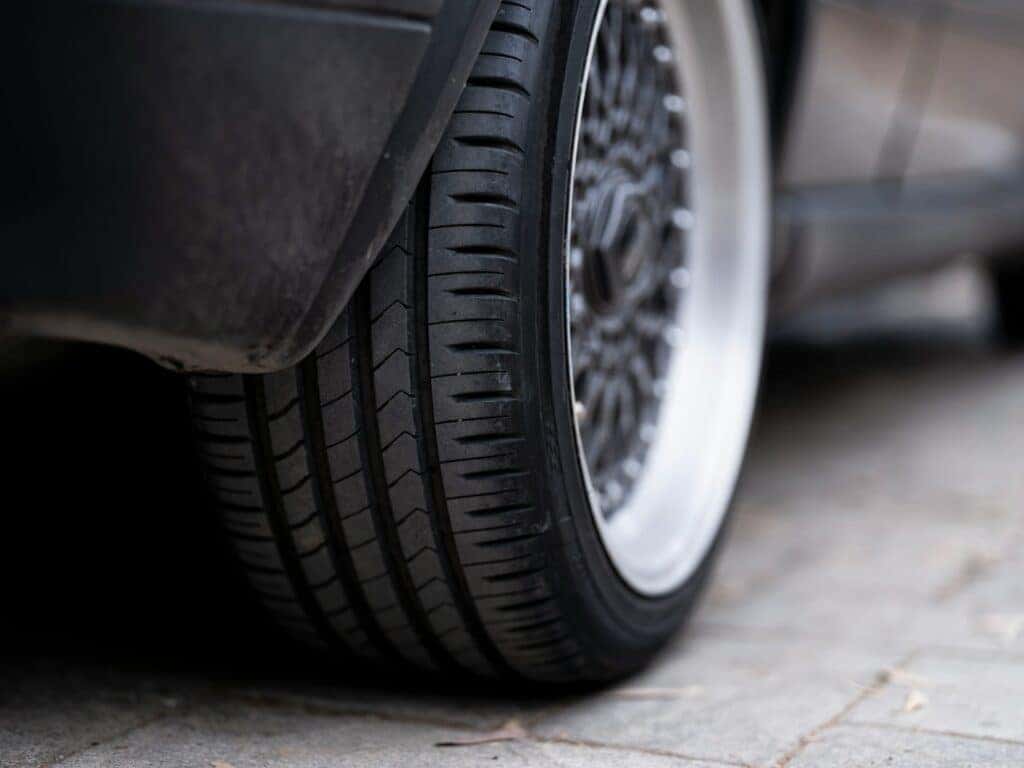
Maintaining proper tire pressure is crucial for your Subaru’s performance, safety, and efficiency. Our team at Sport Subaru South has put together this Subaru tire pressure guide to help you understand the impact of tire pressure on your vehicle, provide a list of manufacturer-recommended psi levels for various Subaru models, and offer guidance for the steps you can take to check your Subaru’s tire pressure.
Why Tire Pressure Matters for Subaru Vehicles
Proper tire pressure significantly influences your Subaru’s performance, safety, and fuel efficiency. Underinflated or overinflated tires can lead to uneven tread wear, reduced traction, and compromised handling, increasing the risk of accidents. Also, if your tire pressure is low, it can reduce your vehicle’s fuel efficiency, leading to higher fuel costs over time.
Additionally, Subaru’s Symmetrical All-Wheel Drive (AWD) system is designed to provide optimal balance and stability. Maintaining the recommended tire pressure ensures that the AWD system functions correctly, as uneven tire pressure can cause discrepancies in wheel rotation and affect vehicle performance.
Recommended Tire Pressure for Subaru Models
Here are the manufacturer-recommended tire pressures for every Subaru model:
- Subaru Ascent: 33–35 PSI
- Subaru BRZ: 35 PSI
- Subaru Crosstrek: 30–36 PSI
- Subaru Crosstrek Hybrid: 32-36
- Subaru Forester: 28–36 PSI
- Subaru Forester Hybrid: 32-36
- Subaru Impreza: 29–36 PSI
- Subaru Legacy: 30–35 PSI
- Subaru Outback: 30–35 PSI
- Subaru WRX: 32–33 PSI
- Subaru WRX STI: 32–33 PSI
- Subaru Solterra: 35 PSI
- Subaru Trailseeker: Check the driver-side door-jamb label or owner’s manual for the exact recommended PSI
- Subaru Uncharted: Check the driver-side door-jamb label or owner’s manual for the exact recommended PSI
Keep in mind that the recommended tire pressure ranges can vary depending on the model and year. For the most accurate information, always refer to your vehicle’s owner’s manual or the tire information on the driver’s side door. These sources are always going to provide the most accurate and reliable recommendations.
How To Check and Adjust Tire Pressure
Maintaining the correct tire pressure involves regular checks and adjustments. Follow these steps to ensure your tires are properly inflated:
- Gather necessary tools: Obtain a reliable tire pressure gauge and an air compressor. You can also typically find an air compressor at gas stations.
- Park on a flat surface: Ensure your vehicle is on level ground and the tires are cold for the most accurate reading.
- Locate the tire valve stems: Remove the valve cap from each tire’s valve stem.
- Check the current tire pressure: Press the tire pressure gauge onto the valve stem and note the reading. Compare this to the recommended psi for your vehicle.
- Adjust tire pressure: If your tire pressure is low, add small amounts of air, checking the pressure frequently to avoid overinflation. If your tires are overly inflated, release air by pressing the center pin in the valve stem until the correct pressure is achieved.
- Replace valve caps: Once all tires are at the recommended pressure, replace the valve caps securely.
All Subaru vehicles manufactured from 2008 are equipped with a Subaru tire-pressure monitoring system (TPMS). That said, the features and capabilities of the TPMS may vary by model and trim level. Some models and trims may display the actual tire pressure on the dashboard, while others may only indicate a warning light when the tire pressure is low.
Signs of Incorrect Tire Pressure
Identifying the symptoms of improper tire pressure can prevent potential safety hazards and costly repairs. Below are some of the more common signs.
Uneven Tread Wear
Overinflated tires often have an unusual amount of wear in the center of the tread, while underinflated tires show more wear on the edges. This uneven wear reduces the life span of your tires and can compromise vehicle handling.
Decreased Fuel Efficiency
Underinflated tires make it harder for your tires to roll easily, causing the engine to work harder and consume more fuel. By ensuring your tires are inflated properly, you can maximize fuel efficiency and reduce unnecessary fuel costs.
Handling Issues
Improperly inflated tires can lead to poor handling, reduced traction, and longer stopping distances, increasing the risk of accidents. Ensuring correct tire pressure is essential for optimal vehicle control and safety.
Seasonal Considerations for Subaru Owners
Temperature fluctuations significantly impact tire pressure, necessitating regular adjustments to maintain optimal performance and safety. In cold weather, tire pressure decreases approximately 1 psi for every 10 F drop in temperature. This reduction can lead to underinflated tires, compromising traction, handling, and fuel efficiency. Therefore, checking and adjusting tire pressure during colder months is crucial to maintain optimal levels.
In warm weather, tire pressure increases with rising temperatures. For every 10 F increase, tire pressure can rise by about 1 psi. Overinflation can lead to reduced traction, increased tire wear, and a harsher ride. Regular checks during warmer months help prevent overinflation, ensuring safety and prolonging tire life.
To maintain proper tire pressure throughout the year, you should:
- Regularly monitor tire pressure: Check tire pressure at least once a month and before long trips.
- Adjust for temperature changes: Be proactive in adjusting tire pressure to account for significant temperature variations between seasons.
- Use seasonal tires: We don’t have to worry about snow here in Orlando, Florida, but if you regularly make trips north during the winter, you may want to consider switching to tires designed for specific weather conditions, such as winter tires for enhanced performance in cold climates.
When To Visit Sport Subaru South for Tire Services
While regular self-checks are vital, professional tire maintenance ensures comprehensive care. At Sport Subaru South, we offer a range of tire services, including:
- Tire inspections: Assessing tire condition, tread depth, and identifying potential issues
- Tire rotations: Promoting even tire wear and extending tire life span
- Wheel alignments: Ensuring proper wheel alignment for optimal handling and tire longevity
- Tire replacements: Offering a selection of tires suitable for your Subaru model and driving needs
Our experienced technicians are equipped to maintain your vehicle’s performance and safety standards. Regular professional inspections complement your maintenance efforts, ensuring your Subaru operates at its best.
Contact Sport Subaru South Today for a Tire Service Appointment
Maintaining proper tire pressure is essential for your Subaru’s safety, performance, and efficiency. Regular checks and adjustments, considering seasonal variations, and seeking professional services when necessary will help keep your vehicle in optimal condition.
We encourage you to schedule a tire service appointment at Sport Subaru South for expert assistance. Our team is dedicated to providing exceptional care for your Subaru. For more information on Subaru tire maintenance, refer to your vehicle’s owner’s manual or contact our service department for personalized assistance.
a close up of a tire on a car by engin akyurt is licensed with Unsplash License
0 comment(s) so far on Subaru Tire Pressure Guide