




2026 Subaru Crosstrek vs. 2026 Toyota RAV4
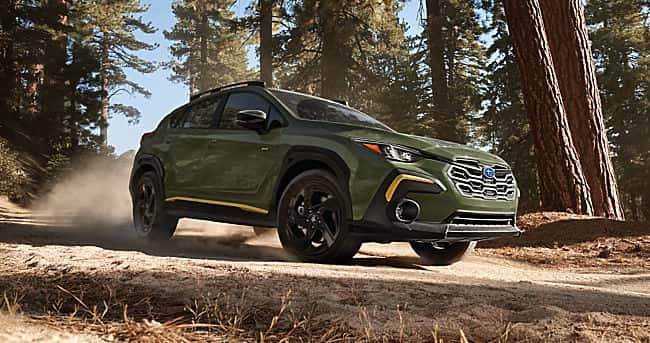
Choosing between the 2026 Subaru Crosstrek vs 2026 Toyota RAV4 comes down to what matters most in your daily driving life. Both compact SUVs deliver reliability and versatility, but they take different approaches to capability, space, and value. The Crosstrek brings standard all-wheel drive and a lower entry price point, while the RAV4 counters with more interior room and a broader hybrid lineup. For Central Florida drivers navigating everything from I-4 commutes to weekend outdoor adventures, understanding these differences helps match the right SUV to your lifestyle.
2026 Crosstrek vs. RAV4: Key Differences at a Glance
The Subaru Crosstrek vs Toyota RAV4 debate often starts with size and capability. The Crosstrek positions itself as a rugged, adventure-ready compact with standard symmetrical all-wheel drive on every trim. Its design focuses on off-road confidence and nimble handling over maximum cargo space. The RAV4 goes a different route, offering significantly more interior volume and cargo capacity that appeals to growing families or anyone hauling gear regularly.
Price differences definitely matter here. The Crosstrek typically starts several thousand dollars below the RAV4, which makes it an attractive entry point for buyers wanting AWD capability without blowing their budget. The RAV4 justifies its higher starting price with additional space and a wider selection of powertrains, including multiple hybrid configurations that deliver impressive fuel efficiency.
Where the Crosstrek or RAV4 shines depends largely on your priorities. If you value a lower upfront cost and serious all-weather traction as standard equipment, the Crosstrek delivers. Those needing maximum space for passengers and cargo while still getting strong fuel economy may find the RAV4 fits their needs better. Both vehicles target the compact SUV segment but carve out distinct identities within it.
Interior Space and Cargo Capacity Compared
Interior dimensions reveal where these two models diverge most noticeably. The Crosstrek vs RAV4 size comparison favors Toyota’s offering, which provides noticeably more passenger room and cargo volume. Rear-seat passengers in the RAV4 enjoy additional legroom, making longer trips more comfortable. The cargo area expands significantly beyond what the Crosstrek offers, especially when you fold the rear seats down for larger items.
The Crosstrek compensates for its smaller footprint with clever packaging. Front-seat occupants get generous headroom and supportive seating positions. The cabin feels open despite the compact exterior dimensions. Cargo space reaches adequate levels for weekend trips or grocery runs, though you’ll notice the difference when loading bulky items like beach chairs or camping equipment.
Both SUVs feature well-designed interiors with quality materials appropriate for their price points. The RAV4’s larger cabin translates to more storage cubbies and cup holders throughout. The Crosstrek’s interior maximizes every inch available, but physics ultimately favors the larger vehicle. Florida families hauling sports equipment, beach gear, or strollers will appreciate the extra volume the RAV4 provides.
Engine Performance and All-Wheel Drive Systems
Power and Engine Options
The Toyota RAV4 vs Subaru Crosstrek specs reveal different approaches to power delivery, each with its own strengths. Toyota offers robust engine choices, including a standard four-cylinder with impressive horsepower. The RAV4 delivers confident acceleration during highway merging and passing maneuvers. Its hybrid models combine electric motors with the gasoline engine, creating a responsive powertrain that enhances both performance and efficiency.
The Crosstrek’s engine lineup prioritizes balanced, efficient power delivery ideally suited for everyday driving. The base engine handles daily commutes and city driving with smooth, capable performance. The available plug-in hybrid variant offers electric-only range perfect for short trips, allowing Orlando-area drivers to complete daily errands on electric power alone, an excellent option for those prioritizing fuel savings and environmental impact.
While the RAV4 provides more horsepower for highway acceleration and towing, the Crosstrek excels in delivering composed, steady performance across various driving scenarios. The Crosstrek’s powertrain proves particularly well-matched to its compact dimensions and agile handling characteristics. Engine refinement remains impressive in both vehicles, with the RAV4’s hybrid variants running whisper-quiet during electric operation and the Crosstrek maintaining a pleasantly controlled cabin environment even at highway speeds.
Symmetrical AWD vs. On-Demand AWD
Subaru’s symmetrical all-wheel drive represents a core difference when you compare car brands in this segment. The system continuously sends power to all four wheels, providing consistent traction regardless of conditions. This full-time AWD setup excels on wet roads, which Florida drivers encounter regularly during summer thunderstorms. The balanced power distribution also enhances handling precision during spirited cornering.
The RAV4 uses an on-demand all-wheel drive system that primarily sends power to the front wheels. When sensors detect slippage, the system engages the rear wheels to maintain traction. This approach improves fuel efficiency during normal driving but responds reactively rather than proactively. For most driving conditions around Central Florida, the difference stays subtle. Drivers who regularly venture off paved roads or face challenging weather will notice the Crosstrek’s full-time AWD advantage.
Both systems handle typical SUV duties effectively (rainy commutes to unpaved parking areas at state parks). The Crosstrek’s ground clearance and AWD combination delivers slightly more confidence on rough trails or deeply rutted dirt roads. The RAV4 handles light off-roading capably while maximizing on-road efficiency. Your choice depends on how frequently you need true all-terrain capability versus optimized fuel consumption.
Fuel Economy: Gas and Hybrid MPG Breakdown
Fuel efficiency creates another key distinction in this car features comparison. The RAV4 generally achieves higher EPA ratings, especially when you compare the Toyota RAV4 hybrid vs Subaru Crosstrek hybrid options. Toyota’s hybrid system delivers impressive combined MPG figures that reduce fuel costs significantly over time. The standard gas RAV4 also edges out the Crosstrek’s base model in highway fuel economy.
The Subaru Crosstrek hybrid vs Toyota RAV4 hybrid matchup reveals different electrification strategies. Subaru offers a plug-in hybrid that provides up to 17 miles of electric-only range, perfect for short commutes around Orlando without burning gasoline. Once the battery depletes, it operates as a conventional hybrid. The RAV4 hybrid runs as a traditional hybrid without plug-in capability but delivers consistently strong fuel economy across all driving conditions.
Real-world fuel consumption depends heavily on your driving patterns. The Crosstrek plug-in hybrid rewards drivers with short daily commutes and regular charging access. The RAV4 hybrid excels on longer highway trips where its efficient powertrain maintains strong MPG without requiring charging infrastructure. Both hybrid systems significantly outperform their gas-only counterparts, making them smart choices for anyone emphasizing fuel savings.
Technology, Safety, and Driver Assistance Features
Modern safety technology comes standard on both vehicles, though the car rating comparison shows slightly different approaches. The RAV4 bundles adaptive cruise control, lane-keeping assist, and automatic emergency braking that work together to reduce driver fatigue during long highway stretches.
The Crosstrek counters with Subaru’s EyeSight Driver Assist Technology, which has earned strong safety ratings and real-world effectiveness. The system uses cameras mounted near the rearview mirror to monitor traffic and intervene when necessary. It operates smoothly and unobtrusively, providing gentle steering corrections and brake interventions. Both SUVs have earned top safety scores from testing organizations, giving buyers confidence in their protective capabilities.
Infotainment systems reflect current expectations for connectivity and user interface design. Both vehicles include smartphone integration through Apple CarPlay and Android Auto. Available navigation systems work well, though most drivers default to their phone apps anyway. The RAV4’s available digital gauge cluster provides more customization options for displaying vehicle information.
Pricing, Trims, and Long-Term Value
Starting Prices and Standard Features
Entry-level pricing favors the Crosstrek by a noticeable margin. The base trim includes standard all-wheel drive, which RAV4 buyers must sometimes pay extra to add. This price advantage makes the Crosstrek attractive for budget-conscious buyers who want capability without optional equipment. Standard features on the base Crosstrek cover essential needs adequately, though upgrading to mid-level trims adds convenience items most drivers appreciate.
The RAV4’s higher starting price reflects its larger dimensions and typically more generous standard equipment list. Even base RAV4 trims include features that might cost extra on the Crosstrek. As you climb through trim levels, both vehicles offer similar luxury and technology features at comparable price points. The RAV4’s top trims venture into premium territory with features like ventilated seats and premium audio systems.
For drivers visiting Sport Subaru South, the Crosstrek’s value proposition becomes clear when comparing total cost of ownership. The lower purchase price, combined with Subaru’s reputation for durability, creates an appealing package. However, buyers needing more space might find the RAV4’s additional cost justified by its practical advantages.
Ownership Costs and Reliability
Both brands have built solid reputations for reliability, though maintenance costs can vary. The Crosstrek typically incurs lower repair costs when service needs arise. Its simpler mechanical layout and strong parts availability help control expenses. Subaru’s factory-trained technicians at dealerships like Sport Subaru South understand these vehicles thoroughly, ensuring proper maintenance that extends vehicle life.
The RAV4’s more complex hybrid systems may result in higher service costs down the road, though Toyota’s reliability often keeps major repairs at bay. Both vehicles come with competitive warranty coverage. Resale values remain strong for both models, reflecting buyer confidence in their long-term durability. Insurance costs typically run similar between the two, though individual rates depend on driving history and location.
Routine maintenance expenses remain reasonable for both SUVs. Oil changes, tire rotations, and brake service costs stay within typical ranges for compact SUVs. The Crosstrek’s longer service intervals on some fluids can slightly reduce lifetime maintenance frequency. Both vehicles use widely available parts, preventing the premium costs associated with luxury brands.
Which Compact SUV Should Florida Drivers Choose?
The Subaru Crosstrek or Toyota RAV4 decision ultimately depends on matching vehicle capabilities to your specific needs. Central Florida drivers who prioritize outdoor adventures, tackle unpaved roads regularly, or want maximum all-weather confidence will appreciate the Crosstrek’s standard symmetrical AWD and lower entry price. Its compact dimensions make parking easier in crowded areas around Orlando’s tourist districts.
Families needing maximum cargo space for beach trips, sports equipment, or simply prefer the peace of mind that comes with extra room should lean toward the RAV4. Its larger interior accommodates growing families more comfortably on longer road trips. The hybrid options deliver exceptional fuel economy for drivers covering significant mileage annually.
For those interested in exploring the Crosstrek firsthand, Sport Subaru South maintains a strong inventory of new Subaru models at 9951 S Orange Blossom Trail in Orlando. Their sales team can walk you through available trims and configurations while factory-trained technicians stand ready to handle maintenance needs. Whether your priorities lean toward adventure capability or family practicality, both SUVs represent solid choices in the competitive compact segment. The right answer emerges when you honestly assess your daily driving patterns, space requirements, and budget constraints rather than following conventional wisdom.
0 comment(s) so far on 2026 Subaru Crosstrek vs. 2026 Toyota RAV4