




How Long Do Subaru Foresters Last?
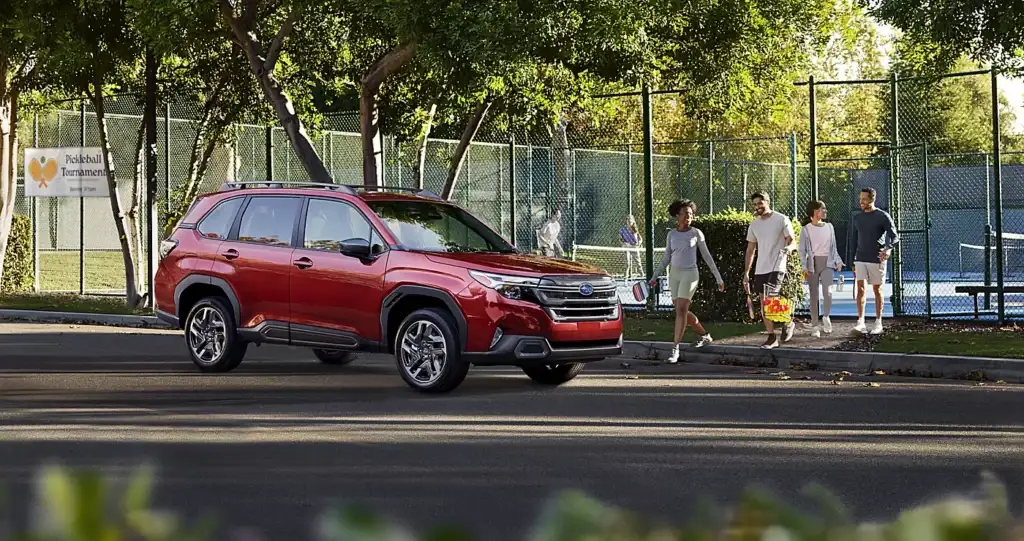
If you’re driving your Subaru Forester on I-4, Toll Road 408, or any other road in Orlando, Florida, chances are, you’ll spot another one while you’re behind the wheel. Drivers love these models because they offer many convenient features, such as the symmetrical all-wheel-drive (AWD) system that enhances their resilience in varying weather conditions. The big question is, how long do they last? Our team at Sport Subaru South has written this guide to answer that question and share more details about the Subaru Forester’s lifespan.
How Long Do Subaru Foresters Typically Last?
According to iSeeCars, the Subaru Forester can last between 143,713 miles and 200,000 miles, or over 10 years. This contributes to its excellent reliability rating of 8.0 out of 10.
Key Factors That Influence Forester Longevity
How many miles can your Subaru Forester last? That will depend on these factors:
Maintenance Adherence
You should service your Forester every six months or 6,000 miles, as per our independent research. Failure to do so could lead to premature wear and cause critical components to malfunction. Ultimately, that will reduce the vehicle’s lifespan.
If you want your Forester to last longer, visit our service center to schedule various maintenance services, as recommended by your owner’s manual. An oil and filter change, for instance, should be done every six months to maintain engine health and performance. Similarly, cooling system checks are necessary after six months to prevent the coolant from degrading due to heat stress.
Another essential Subaru Forester maintenance service is annual battery testing. Summers in Orlando, Florida, usually come with extreme heat, which may cause sulfation, a condition where the battery plates warp, resulting in a swollen battery. The high temperatures can also cause the battery terminals to corrode, impacting their ability to transmit power.
Driving Style and Conditions
Aggressive driving habits, such as hard acceleration, can put strain on the brakes, engine, and transmission, thereby reducing the longevity of your Subaru Forester. If you frequently use the I-4 corridor near Walt Disney World, where stop-and-go traffic is common, car components such as the brakes, transmission, and suspension may wear out faster. To extend their lifespan, we recommend avoiding sudden stops and driving smoothly.
Although the Forester has the symmetrical AWD system, repeatedly driving it in extreme weather conditions can strain the drivetrain. If you must, prioritize regular maintenance services, including tire rotations and fluid changes.
Parts Quality
You can maintain your Forester’s performance and maximize its lifespan by using genuine Original Equipment Manufacturer (OEM) parts, rather than their aftermarket alternatives. The generic components may be more affordable, but they’re less durable.
Signs Your Forester Needs Attention (to Protect Long-Term Health)
How can you tell it’s time to bring your Subaru Forester in for a diagnostic check? Watch for the following common early indicators:
- Coolant smells: Shows there’s a coolant leak or an engine problem that should be addressed promptly to prevent further damage.
- Overheating: If your Forester overheats, a faulty thermostat or a malfunctioning radiator fan could be the culprit.
- Warning Lights: Some of the problems that can trigger your car’s warning lights include a faulty engine, a malfunctioning braking system, low battery voltage, and transmission problems.
- Uneven tire wear: This can result from misaligned wheels, incorrect tire pressure, and damaged suspension and steering components.
Should you notice any of these problems, visit our dealership at 9951 S Orange Blossom Trl, Orlando, FL 32837 today. Our team of friendly, knowledgeable technicians is happy to inspect your Forester, diagnose the issue, and provide an effective and lasting solution.
High-Mileage Forester Ownership Tips
If your Subaru Forester has already hit 100,000 miles, consider buying or replacing critical components to boost performance and extend its lifespan. These include wheel bearings, which support the vehicle’s weight and allow the wheels to rotate smoothly.
You should also consider new AC components, including a condenser, compressor, expansion valve, and receiver/drier. They can restore the air conditioning system’s functionality while preventing additional damage.
In addition, it’s advisable that you look out for Subaru Forester recalls or software issues that affect safety and performance. These notifications let you know when to bring your vehicle in so our team can complete any required updates.
For instance, some 2025 Forester models have loose child seat anchor bolts. Our experienced technicians can tighten the bolts for you to protect your loved one in the event of a crash.
Don’t forget to keep your Forester’s maintenance records. The documents enable you to track service intervals correctly so that you can schedule a particular service at the right time.
Warranty, CPO, and When to Repair vs Upgrade
The Forester’s bumper-to-bumper warranty lasts three years, while the powertrain warranty extends to five years, respectively. Since these warranties cover repairs for specific components or factory defects, you should take advantage of them while you still can.
However, if the critical components of your Subaru Forester are severely damaged, upgrading might be the best option. You can explore our new Subaru inventory or check out our used and CPO models to make your pick.
FAQs
Check out these common questions about the Subaru Forester’s longevity:
How Many Miles Can a Subaru Forester Last With Proper Maintenance?
If you follow Subaru’s maintenance schedule and seek out Sport Subaru South’s services at the right time, your Forester can comfortably hit 200,000 miles.
How Often Should I Service a Forester To Maximize Longevity?
Your Forester requires routine maintenance every 6,000 miles for maximum longevity. However, if the vehicle exhibits problems like fluid leaks and vibrations, drive it to our dealership as soon as possible. Our certified technicians are ready to resolve them within the shortest time possible.
Does Using OEM Parts Actually Matter for Long-Term Reliability?
Yes, OEM parts meet the exact specifications of the original components, so they’re less likely to fail. They make your Subaru Forester more reliable in the long term.
Extend Your Forester’s Lifespan with Sport Subaru South
The number of miles your Subaru Forester can last depends on how well you maintain it, your driving habits, and the quality of the parts installed. When a service is due, based on your owner’s manual or signs like dashboard warning lights, feel free to contact our team for help. Let’s ensure you get the most out of your ride.
0 comment(s) so far on How Long Do Subaru Foresters Last?